.jpg)
A brand can have a beautiful guideline document and still look different every time it shows up. The logo in the sales deck is two versions old. The newest campaign uses a blue that isn't in the palette. A partner writes copy that doesn't sound like the company at all. It happens more often than most teams want to admit.
When this happens, the usual reaction is to update the guidelines and add more pages. But most of the time the document isn't the problem. People follow guidelines when they know where to find them, understand why they exist, and know who to ask when their situation isn't covered. When those things are missing, even a great guide gets ignored.
That layer, the people and decisions around the guidelines, is what brand governance is about. It's a concept I've been spending a lot of time with as I grow from design into brand management, and it has changed how I think about consistency.
What brand governance really means
Brand guidelines explain what the brand looks and sounds like. Brand governance is how a team manages the brand over time: who makes the decisions, what can change and what can't, where the official files live, and how you notice when something starts to drift.
If you come from design, you probably already know this from design systems. A component library on its own doesn't stay healthy for long. The systems that last have someone looking after them. There's a way to ask for a new component, an agreement about when it's okay to break a pattern, and regular updates so the library keeps up with the product. Without that, people start making their own versions, and after a while nobody trusts the library anymore.
A brand works the same way. The guidelines are the library. Governance is the care that keeps them useful as the company grows, hires new people, brings in agencies, and produces more content than anyone could review alone.
What it looks like in practice
Governance sounds formal, but in practice it's a handful of agreements that most teams never write down.
The first one is ownership. Someone needs to be responsible for the brand, and everyone should know who that person is. When the answer is "marketing" or "all of us," decisions end up going to whoever is in the room or whoever moves fastest.
Then there's the question of who can decide what. A social post built from an approved template doesn't need the same review as a new product name or a change to the logo. When teams sort their decisions this way, people stop waiting for approvals they never really needed, and the brand owner has more time for the decisions that matter.
It also helps to have one place where the current files live. So much inconsistency comes from people using the file they could find instead of the right one. When the latest logo, templates, and photos are easy to reach, most of that problem goes away without anyone having to police it.
Finally, a team needs some way to see how the brand is doing. That can be as simple as looking at real materials across channels every few months, and listening when people say a guideline doesn't work for them. If the same exception keeps coming up, it's usually a sign the guideline needs to change.
Designers see where brands break
Brand governance usually belongs to marketing, and that makes sense. Marketing owns the positioning, the budget, and the business goals. But designers have a view that's easy to overlook. Almost every brand request passes through a designer at some point, so we see which rules people misunderstand, which templates they avoid, and which exceptions keep coming back.
That knowledge is valuable for anyone managing a brand, and it often stays inside the design team. The strongest brand decisions I've seen come from marketing bringing the strategy and design bringing what it learns from doing the work every day. Governance is a natural place for those two views to meet.
AI changes who creates for the brand
AI tools have made it possible for almost anyone on a team to create brand content. Someone in sales can draft a one-pager in minutes. A coordinator can generate a campaign image without opening a design tool. That's a real advantage, and I use these tools in my own work every week. But it also means a brand has many more authors than it used to.
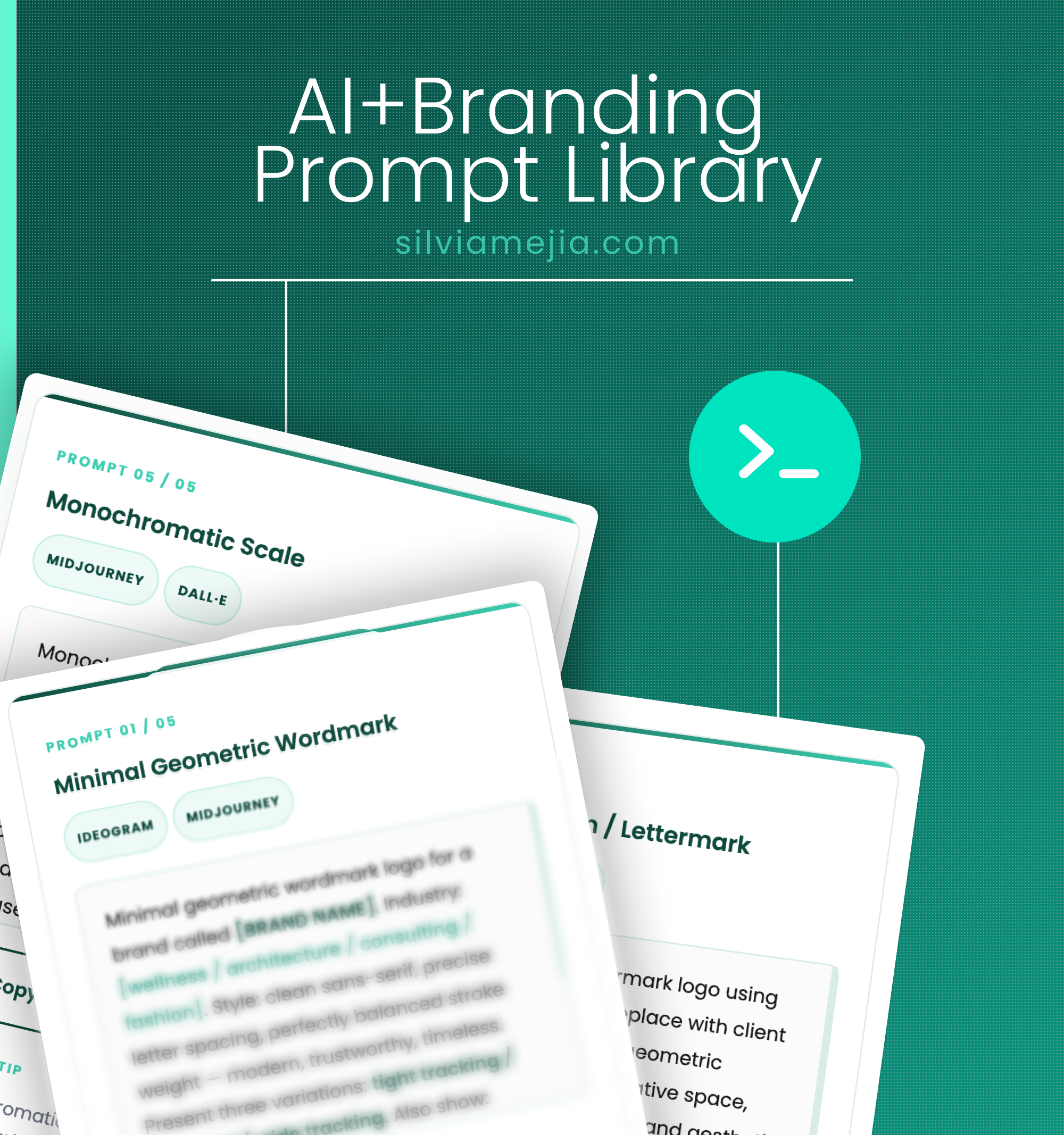
When that happens, reviewing everything at the end stops working. There's simply too much of it. Governance has to show up earlier, at the moment the content is created. For AI, that can mean giving people shared prompts and brand context to start from, being clear about what can be published without review, and making someone responsible for updating those prompts when the brand changes. If people begin with the right information, what they create is much closer to the brand before anyone has to check it.
.jpg)
Where to start
You don't need a committee to begin. A good first step is to sit down with your team and answer a few honest questions. Who owns the brand? Can everyone find the current logo? What can people change on their own, and what always needs a second look? How would you know if the brand started to drift?
If some of the answers are unclear, that's normal. Those gaps are usually a better place to start than a new version of the guidelines.
The word governance makes people think of more rules and slower work. When it's done well, it feels like the opposite. People know what they can decide, they can find what they need, and they know who to ask. That's what gives a team the confidence to move quickly and still sound like the same brand.
I'm curious how other teams handle this. Who owns the brand where you work, and how did you decide?
If you're still working on the foundation that governance protects, my Brand Craft Toolkit walks through positioning and identity step by step. And if your team is starting to use AI for brand content, my AI Branding Prompt Guide is a good place to begin building shared prompts.
Silvia Mejia is a Design Strategy Leader with 15+ years of experience in brand systems, UX/UI, and product design. She has worked with healthcare, energy, B2B industrial, and consumer brands, and creates practical resources for designers who want to work with more clarity and intention.
.png)
Related Content